


-

Add: HeBei ShengShi HongBang Cellulose Technology CO.,LTD.
-

Email
13180486930@163.com -

CONTACT US
+86 13180486930

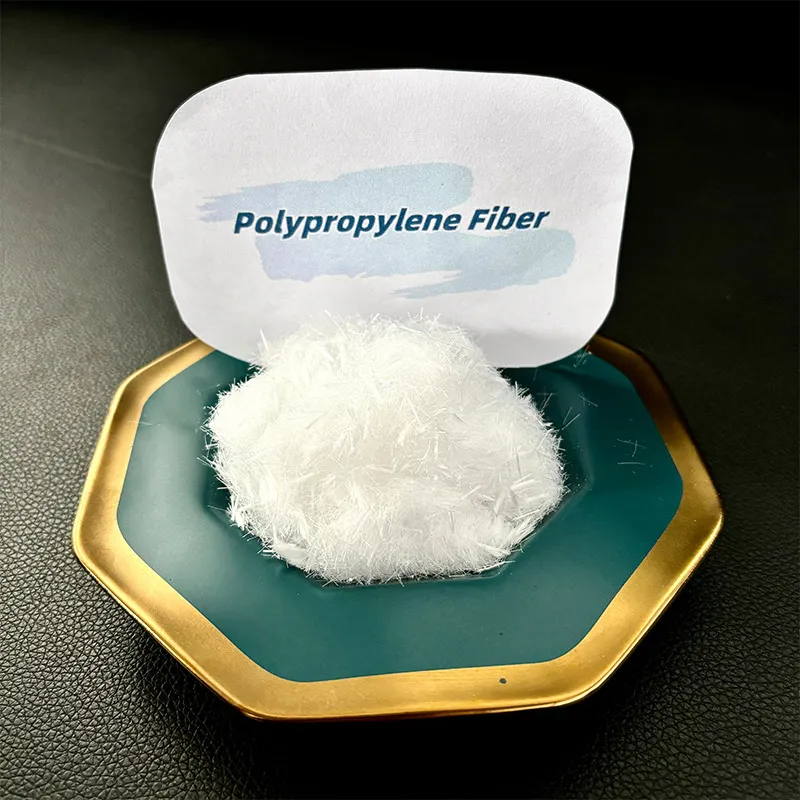
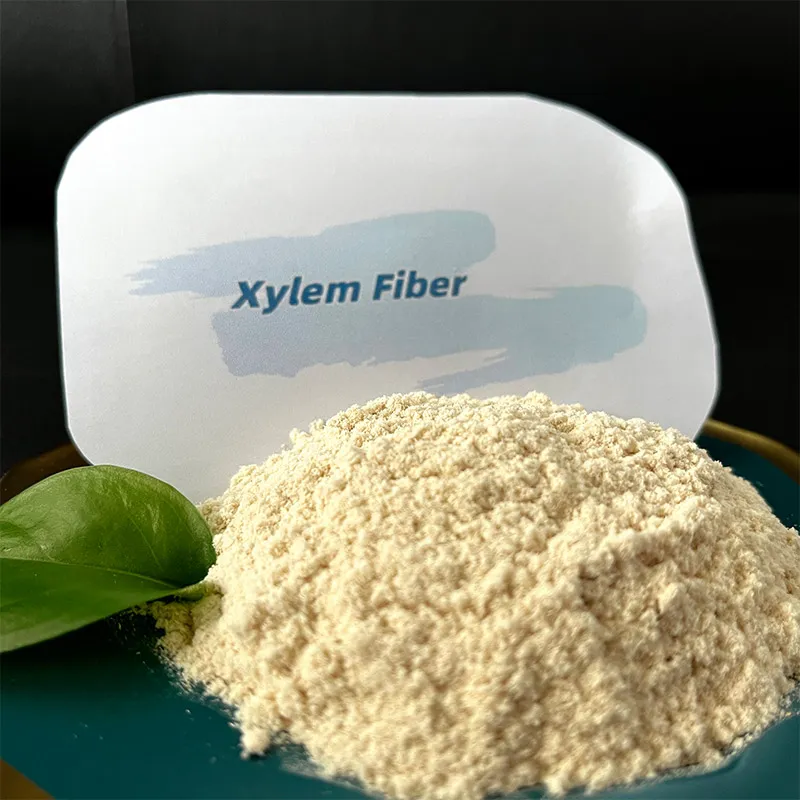


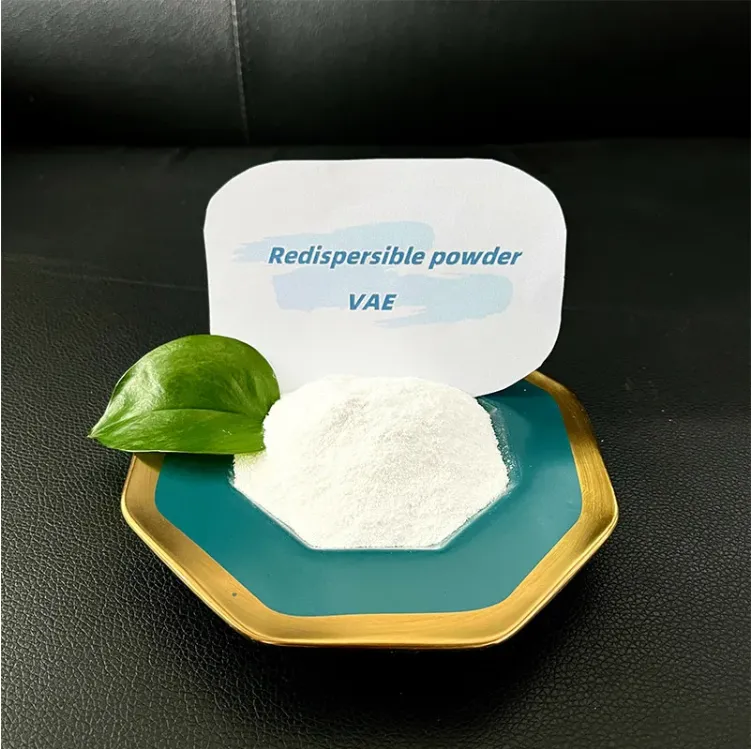


The construction industry continually seeks materials that offer a balance of strength, sustainability, and versatility. Bleached wood pulp and related products like cellulose wood have emerged as valuable components in various construction applications. Derived from renewable wood sources, these materials contribute to the development of eco-friendly building solutions while enhancing the performance of structural and non-structural elements. This article delves into their properties, applications, and role in modern sustainable construction. Characteristics and Production of Bleached Wood Pulp Bleached wood pulp is produced through a chemical pulping process that removes lignin and other impurities, resulting in a pure cellulose product with high tensile strength and uniformity. The bleaching process enhances its whiteness and purity, making it suitable for applications where appearance and consistency are critical. As a natural polymer, cellulose offers excellent biodegradability and compatibility with other construction materials, such as cement, gypsum, and synthetic polymers. In construction, bleached wood pulp is often used in the form of fibers or powders. When incorporated into cementitious mixtures, it acts as a reinforcing agent, improving the flexural strength and reducing the shrinkage of materials like gypsum boards and fiber cement panels. The cellulose fibers create a network that distributes stress throughout the matrix, preventing crack formation and enhancing the durability of the final product. Role of Cellulose Wood in Structural Components Cellulose wood , in the form of engineered wood products, plays a significant role in structural construction. Products like oriented strand board and plywood utilize cellulose fibers to create strong, lightweight panels that are used in flooring, roofing, and wall systems. The natural cellulose structure provides excellent load-bearing capacity while offering thermal and acoustic insulation benefits. In addition to structural panels, cellulose wood is used in the production of laminated veneer lumber, which is ideal for beams and columns in residential and commercial buildings. These products leverage the natural strength of cellulose fibers, combined with adhesive systems, to create materials that rival traditional steel and concrete in load-bearing capacity but with the advantage of lower weight and better sustainability. Cellulose based Wood Filler Technological Applications and Functional Attributes Cellulose based wood filler is a versatile material used to improve the properties of composite materials in construction. In wood-plastic composites, which are used for decking, siding, and interior trim, the filler enhances the mechanical properties, such as impact resistance and dimensional stability, while reducing the cost and environmental impact compared to pure plastic materials. The cellulose fibers also improve the surface finish and texture of wood-plastic composites, making them visually appealing and suitable for a range of architectural applications. In plaster and putty formulations, cellulose based wood filler acts as a bulking agent, improving workability and reducing shrinkage during drying. It helps create smooth surfaces in interior walls and ceilings, while also contributing to the thermal insulation properties of the material. Additionally, these fillers are used in adhesives and sealants, where their absorbency and binding properties enhance the product's performance and durability. Cellulose Wood Pulp in Construction Pads Applications and Benefits Cellulose wood pulp in pads is commonly used in construction for insulation and soundproofing purposes. These pads, made from compressed cellulose fibers, offer excellent thermal insulation, helping to maintain comfortable indoor temperatures and reduce energy consumption in buildings. The natural structure of cellulose also provides effective acoustic damping, making them suitable for use in walls, floors, and ceilings to minimize noise transmission. Another important use of cellulose wood pulp in pads is in waterproofing and moisture management systems. Placed behind cladding or in roofing assemblies, these pads absorb and distribute moisture, preventing the accumulation of water that can lead to mold growth and structural damage. Their biodegradable nature makes them a sustainable choice for green building projects, aligning with the industry's focus on environmental responsibility. Bleached Wood Pulp FAQs What are the main advantages of using bleached wood pulp in construction materials? Bleached wood pulp offers high tensile strength, dimensional stability, and compatibility with other materials. It enhances the mechanical properties of composites, reduces shrinkage, and contributes to the sustainability of construction products due to its renewable source and biodegradability. How does cellulose wood improve the performance of structural panels? Cellulose wood in structural panels, such as oriented strand board and plywood, creates a network of fibers that distribute loads effectively, improving the panel's strength and resistance to deformation. It also provides natural insulation benefits and is lighter than traditional building materials, reducing construction costs and environmental impact. Can cellulose based wood filler be used in outdoor construction applications? Yes, cellulose based wood filler is suitable for outdoor applications when combined with appropriate binders and additives that enhance its resistance to moisture and UV radiation. It is commonly used in wood-plastic composites for decking and siding, which are designed to withstand harsh environmental conditions. What factors affect the performance of cellulose wood pulp in insulation pads? The performance of cellulose wood pulp in pads is influenced by factors such as density, thickness, and treatment with fire-retardant or water-repellent agents. Proper installation and compatibility with the building envelope are also critical to achieving optimal thermal and acoustic insulation. What role does bleached wood pulp play in promoting sustainable construction practices? Among cellulose-based materials, bleached wood pulp stands out as a sustainable powerhouse. Sourced from renewable forest resources, it significantly cuts down the construction industry's dependence on non-renewable materials. Its biodegradability, low embodied energy, and recyclability make it a cornerstone of green building initiatives. Paired with other eco-friendly components like cellulose wood, bleached wood pulp plays a pivotal role in reducing the carbon footprint of the construction sector, aligning projects with sustainable development goals. Bleached wood pulp and cellulose wood represent a fusion of natural sustainability and engineering excellence in construction. Their ability to reinforce structural components, enhance composite materials, and contribute to eco-friendly building systems underscores their importance in modern architecture. As the industry shifts toward renewable resources, these materials will continue to drive innovation in both performance and environmental stewardship. Bleached wood pulp and cellulose wood are foundational to sustainable construction, offering renewable strength and versatility across structural components and composite materials. Their role in enhancing mechanical properties, promoting eco-friendly practices, and enabling energy-efficient solutions cements their status as essential materials for modern, sustainable building design.
- 40000tons

Production
- 20+years

Experience
- 5000+㎡

Acreage

-

Understanding Cellulose Derived from Wood Cellulose is a vital organic compound that forms the structural component of the primary cell wall of green plants, many forms of algae, and the cell walls of bacteria. It is the most abundant organic polymer on Earth, and its significance cannot be overstated. When we talk about cellulose derived from wood, we are referencing a naturally occurring polysaccharide that plays a critical role in the ecosystem and has numerous applications in various industries. What is Cellulose? Chemically, cellulose is composed of linear chains of glucose molecules linked by β(1→4) glycosidic bonds. This structure provides cellulose with rigidity, making it an essential component of plant cell walls. In trees and other woody plants, cellulose constitutes a significant portion of the biomass. It serves not only for structural support but also plays a vital role in the plant's ability to resist various environmental stresses. The Extraction of Cellulose from Wood The extraction of cellulose from wood typically involves several processes. Wood is primarily made of three components cellulose, hemicellulose, and lignin. Cellulose accounts for about 40-50% of wood’s composition. To isolate cellulose, manufacturers usually go through a series of chemical treatments, including delignification — a process that removes lignin from the wood. This is followed by bleaching to obtain pure cellulose. Applications of Wood-derived Cellulose apa itu selulosa yang terbuat dari kayu Cellulose derived from wood has a plethora of applications across various fields. One of the most common uses is in the production of paper and cardboard. The pulp and paper industry heavily relies on cellulose because it provides the necessary strength and structure to paper products. Moreover, cellulose is also utilized in the textile industry to produce rayon and other fibers, which can be spun into fabric. Furthermore, cellulose has significant applications in food and pharmaceuticals. It is often used as a thickening agent, stabilizer, and dietary fiber in food products. In the pharmaceutical industry, cellulose is employed as an excipient in drug formulations, serving as a filler and binder, which contributes to the effective delivery of active ingredients. Another emerging application of cellulose is in sustainable materials and biofuels. Researchers are exploring ways to convert cellulose into bioethanol, a renewable energy source that can reduce reliance on fossil fuels. Additionally, biodegradable materials made from cellulose are being developed as eco-friendly alternatives to traditional plastics. The Environmental Impact of Cellulose Production While cellulose has many benefits, the production process can have environmental implications. Sustainable forestry practices are crucial to minimize deforestation and maintain ecological balance. Certification systems, such as the Forest Stewardship Council (FSC), ensure that wood is sourced from responsibly managed forests, thereby promoting sustainability within the industry. In conclusion, cellulose derived from wood is an indispensable resource that supports various industries while playing a crucial role in the environment’s sustainability. Its versatility extends from everyday products like paper and textiles to innovative solutions for renewable energy. As industries continue to explore and utilize cellulose, it is imperative to prioritize sustainable practices that protect our valuable forests and ecosystems. Thus, cellulose stands as a testament to nature's ingenuity, providing both structural integrity for plants and a wide array of applications for human use.
-

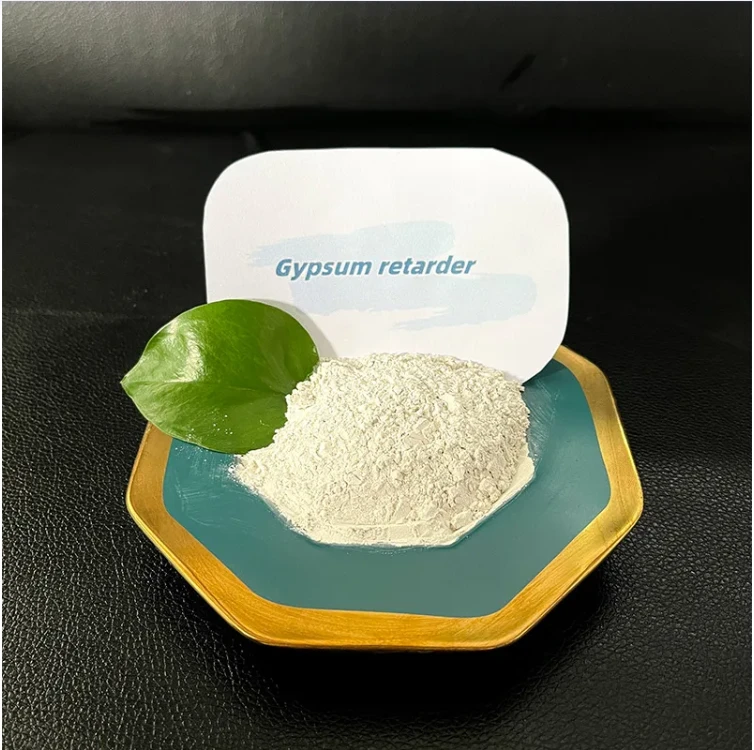
Plastering retarders, essential additives in the construction industry, have revolutionized how builders and contractors approach plaster application. These compounds, though small in volume, play a crucial role in enhancing the efficiency and quality of plastering projects. Here we delve into the significance, application, and benefits of using plastering retarders, backed by professional insights and industry expertise. Understanding the Role of Plastering Retarders Plastering retarders are chemical additives designed to slow the setting process of gypsum plaster. This controlled setting time allows for extended workability and ensures that the plaster remains pliable for longer durations. This becomes particularly beneficial in large-scale projects where complex surfaces require meticulous application without the pressure of rapid drying. The Expertise Behind Plastering Retarders The development of plastering retarders involves a blend of chemistry and construction technology. Experts in the field understand the delicate balance needed to decelerate the chemical reaction of plaster without compromising its structural integrity. The formulation process involves rigorous testing and quality assurance to meet the specific demands of different environmental conditions and project requirements. Benefits of Using Plastering Retarders 1 . Enhanced Workability By providing additional time for application, plastering retarders offer contractors the flexibility to achieve smooth, even surfaces. This is critical in enhancing the aesthetic and functional qualities of interior and exterior walls. 2. Reduction of Waste With elongation in setting time, plaster wastage is minimized. This is both cost-effective and environmentally friendly, making it an attractive option for sustainable construction practices. plastering retarder 3. Improved Structural Integrity Proper application and curing of plaster via retarders can result in fewer cracks and defects. This ensures a durable and lasting finish that meets and exceeds standard quality benchmarks. 4. Versatility Across Projects Whether in residential, commercial, or industrial settings, plastering retarders can be customized to align with the specific needs of each project, accommodating varying climatic and surface conditions. Real-Life Application of Plastering Retarders A case study involving a large commercial project illustrates the practical benefits of using plastering retarders. In this scenario, a team of contractors faced the challenge of plastering an expansive, intricate facade under high-temperature conditions. With the strategic use of plastering retarders, the team successfully managed to extend the setting time, allowing them to execute the plastering with precision. The quality of the finished surface was exemplary, demonstrating superior smoothness and consistency, which significantly enhanced the visual appeal and durability of the building. Building Trust Through Quality The importance of using reputable products cannot be overstated. It is paramount to choose plastering retarders from established manufacturers known for their quality and reliability. Trusted brands provide not just a product, but a comprehensive support system that includes product information, safety data, and technical assistance to ensure optimal application and results. Conclusion Plastering retarders serve as a testament to the advancements in construction technology, offering solutions that bridge efficiency, quality, and sustainability. For construction professionals, understanding and utilizing these additives can lead to significant improvements in project outcomes. By leveraging the strategic application of plastering retarders, contractors can ensure high-quality finishes that stand the test of time while maintaining economic and environmental balance. As the industry continues to evolve, the adoption of such innovative solutions will likely play an increasingly pivotal role in shaping modern construction landscapes.
advantages
-

200000 Viscosities
Excellent product
We can produce pure products up to 200,000 viscosities
-

40000 tons
High yield
We don’t stop production all year round, and the annual output can reach 40,000 tons
-

24 hours
Quality service
We provide 24-hours online reception service, welcome to consult at any time
———— Inquiry Form
Schedule A services
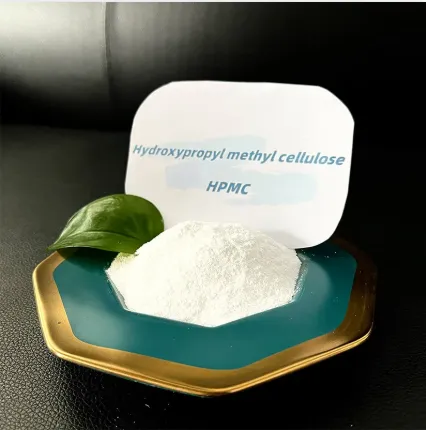
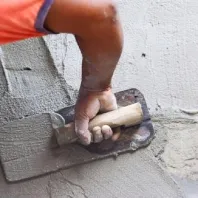

-
 starch_derivatives_examples
Oct . 25, 2025
In the quest for advanced pharmaceutical solutions, HPMC Dextran 70 emerges as a significant player, -
 polycaprolactone_powder
Oct . 25, 2025
Man-made synthetic fibers have revolutionized the textile industry by offering versatile, durable, a -
 fibres_de_bois_cellulosiques
Oct . 25, 2025
In the ever-evolving world of construction materials, HPMC cellulose has emerged as an essential add


